
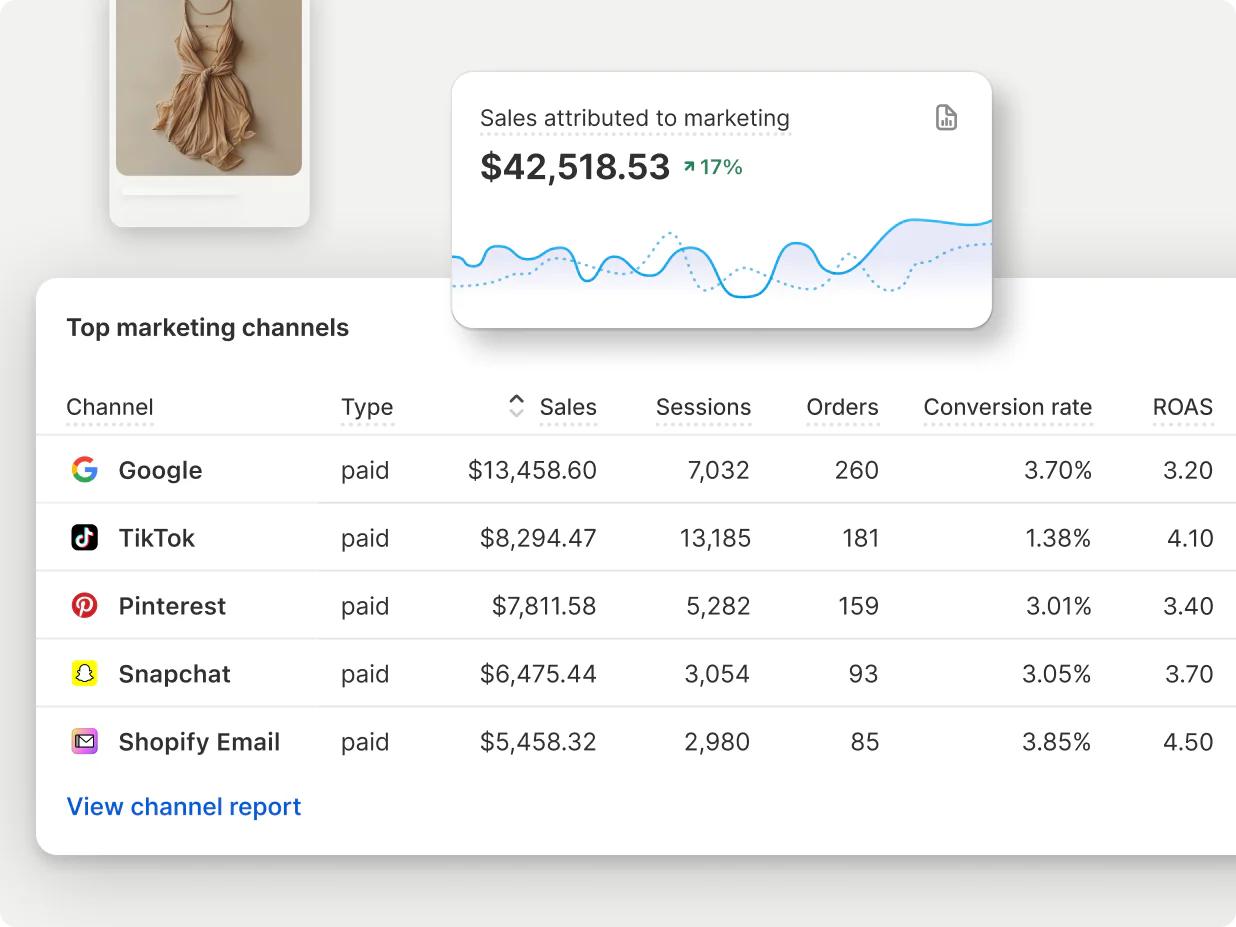
ROAS is one of the most celebrated metrics in ecommerce.
3x ROAS.
4x ROAS.
Sometimes even 6x.
On the surface, it feels like success.
But here’s the uncomfortable truth:
You can have a high ROAS and still be losing money.
The Problem with ROAS
ROAS (Return on Ad Spend) only measures one thing:
Revenue generated from ads ÷ ad spend.
It does not include:
- Cost of goods sold (COGS)
- Shipping costs
- Transaction fees
- Refunds and chargebacks
- Operational expenses
This makes ROAS a partial metric.
It tells you how ads perform — but not whether your business is profitable.
The Illusion of Performance
Let’s break it down:
- Revenue: $100
- Ad Spend: $25 → ROAS = 4x
Looks great.
But now include real costs:
- COGS: $40
- Shipping: $10
- Fees: $5
Your profit is:
$100 – $25 – $40 – $10 – $5 = $20
Now add returns, discounts, or slight cost fluctuations — and that profit disappears quickly.
ROAS didn’t lie. It just didn’t tell the whole story.
Why This Happens So Often
Most Shopify merchants rely heavily on ad dashboards.
Platforms like Facebook or Google optimize for:
- Conversions
- Revenue
- ROAS
They do not optimize for profit.
Without proper profit analytics, merchants end up scaling campaigns that generate revenue — but destroy margin.
Revenue Growth vs Profit Growth
This is where many stores get stuck.
Revenue goes up.
Ad spend goes up.
ROAS stays “acceptable”.
But profit stays flat — or worse, declines.
Because costs scale with revenue.
Growth without profit visibility is risky growth.
The Shift: From ROAS to Profit Analytics
Serious operators don’t rely on ROAS alone.
They look at:
- Profit per order
- Contribution margin
- Profit per channel
This is where Shopify profit tracking becomes critical.
Because once you connect revenue with real costs, you start seeing:
- Which campaigns are actually profitable
- Which products can scale safely
- Where money is leaking
Better Decisions Start with Better Metrics
ROAS is not useless.
But it is incomplete.
Used alone, it leads to false confidence.
Combined with profit analytics, it becomes powerful.
The goal is not to maximize ROAS.
The goal is to maximize profit.
What You Should Do Next
If you are still optimizing purely based on ROAS:
- You are scaling blindly
- You are underestimating real costs
- You are making decisions with incomplete data
Start tracking what actually matters.
Because revenue shows activity.
Profit shows reality.
Next in the series: How Multi-Currency Sales Quietly Distort Your Profit Numbers.